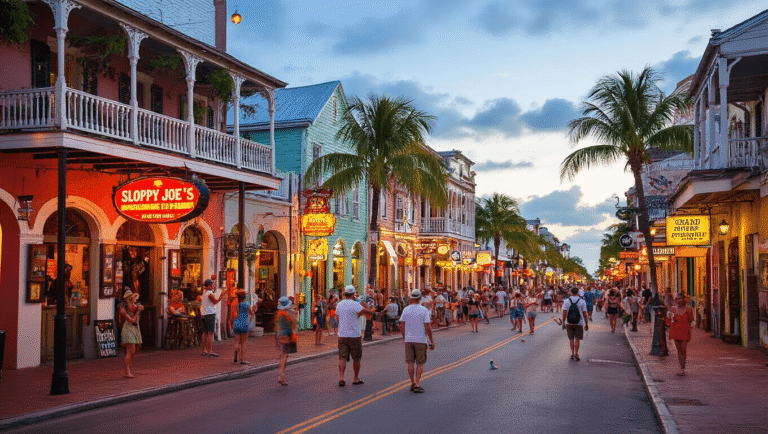
Walking down Whitehead Street in Key West, Florida, you’ll find a piece of literary history that’s been captivating visitors for decades: the Ernest Hemingway Home and Museum.
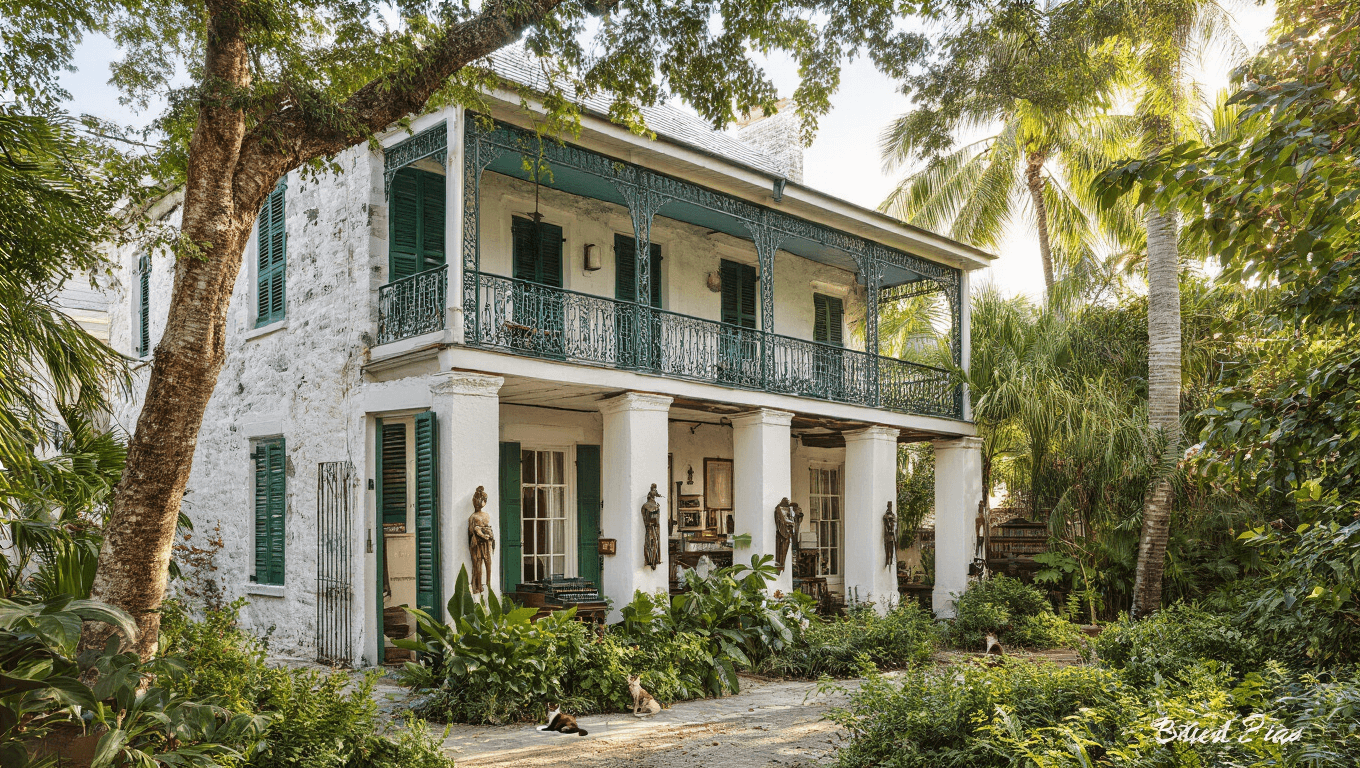
Picture this: A stunning Spanish Colonial house standing proudly at 907 Whitehead Street, where one of America’s most iconic writers crafted some of his most celebrated works. Built in 1851, this isn’t just a house – it’s a portal into the world of literary genius.

Why Hemingway’s Home is More Than Just Another Museum
Contents
- Why Hemingway’s Home is More Than Just Another Museum
- A Literary Powerhouse: Hemingway’s Productive Years
- Practical Visitor Information That Actually Matters
- Inside the House: What Makes This Place Special
- The Famous Hemingway Cats: A Quirky Attraction
- Tours and Exploration Options
- The Cultural Legacy: Why Hemingway’s Home Matters More Than You Think
- Preserving Literary Heritage: More Than Just Bricks and Morals
- Beyond Tourism: Educational Impact and Cultural Significance
- Unexpected Connections: More Than Just Hemingway’s Story
- Practical Travel Considerations
- The Broader Key West Experience
- Why Writers and Travelers Can’t Resist This Destination
- Final Thoughts: A Living Legacy
In 1931, Hemingway’s father-in-law gifted this remarkable property for a mere $8,000 – a sum that would now seem laughably small considering its historical significance. Today, it’s the most popular tourist attraction in Key West and ranked 14th most popular celebrity landmark nationwide in 2024.
My Personal Connection
I remember my first visit here, standing in the same rooms where Hemingway typed out “A Farewell to Arms” and “For Whom the Bell Tolls”. The energy was palpable – you could almost hear the clickety-clack of his typewriter and feel the creative electricity.
A Literary Powerhouse: Hemingway’s Productive Years
From 1931 to 1940, Hemingway lived here with his second wife Pauline Pfeiffer and their two sons. During this period, he wrote approximately 70% of his lifetime works, including:
- “A Farewell to Arms” – His powerful World War I novel
- “Death in the Afternoon” – A deep dive into bullfighting culture
- “To Have and Have Not” – A gritty Depression-era smuggling story
- “The Snows of Kilimanjaro” – An acclaimed short story
Practical Visitor Information That Actually Matters
When to Go:
- Open daily: 9:00 AM to 5:00 PM
- 365 days a year
- Guided tours every 15 minutes
Ticket Details:
- Adults: $18
- Children (6-12): $7
- Under 5: Free
- Cash payment only (Pro tip: Bring actual cash!)
Inside the House: What Makes This Place Special
Walking through the two-story Spanish Colonial home feels like stepping back in time. Original 1930s furniture, Hemingway’s custom-made bed, and a historic kitchen transport you directly into his world.
The writing studio remains largely intact, with original typewriters exactly where he left them. It’s like Hemingway just stepped out for a moment and might return any second.

The Famous Hemingway Cats: A Quirky Attraction
One of the most unique features? The 61 cats roaming the property, many of them polydactyl (six-toed). Legend has it Hemingway received a white six-toed cat from a ship’s captain, and the feline population has thrived ever since.
These cats aren’t just pets – they’re living history, descendants of Hemingway’s original feline companions.
Tours and Exploration Options
You’ve got two main ways to experience the home:
Guided Tours:
- 20-30 minutes
- Depart every 15 minutes
- In-depth historical context
- Knowledgeable guides sharing insider stories
Self-Guided Experience:
- Explore at your own pace
- Photography permitted
- Combine guided and independent exploration
Pro recommendation? Arrive on a weekday morning to avoid crowds and fully immerse yourself in Hemingway’s world.
The tropical gardens, swimming pool, and maritime memorabilia create an atmosphere that’s part museum, part time machine. Each room whispers stories of creativity, adventure, and literary brilliance.
As I stood in his writing studio, surrounded by African art and fishing memorabilia, I couldn’t help but feel connected to the spirit of a man who transformed 20th-century literature.
The Hemingway Home isn’t just a tourist stop – it’s a journey into the heart of American literary history.
Planning a trip during the cooler months? Check out our guides on Key West in November and Key West in December to make the most of your visit.
👇Find The Cheapest Flights To Anywhere Here👇
The Cultural Legacy: Why Hemingway’s Home Matters More Than You Think
Beyond the tours and tourist snapshots, this home represents a pivotal moment in American literary history.
Hemingway wasn’t just writing novels – he was capturing the raw, unfiltered essence of human experience. His time in Key West wasn’t merely a residency; it was a transformative period that shaped modern literature.

Preserving Literary Heritage: More Than Just Bricks and Morals
Consider this: The Hemingway Home isn’t just a museum – it’s a living archive of creativity. Every room tells a story, every corner holds a memory of artistic brilliance.
Key Preservation Efforts:
- Maintained with historical accuracy
- National Historic Landmark designation
- Ongoing conservation of original artifacts
- Commitment to educational programming
Beyond Tourism: Educational Impact and Cultural Significance
The museum isn’t just about attracting visitors – it’s about inspiring future generations of writers, historians, and cultural enthusiasts.
I once watched a group of high school students touring the home, their eyes wide with wonder as they traced Hemingway’s literary journey. That’s when I realized: this place is a living classroom.

Unexpected Connections: More Than Just Hemingway’s Story
Fascinating Intersections:
- Maritime history
- Cuban-American cultural exchanges
- Early 20th-century literary movements
- Fishing and adventure culture
To learn more about the full context of his home, visit the Ernest Hemingway House History and Background.
Practical Travel Considerations
Pro Travel Tips for Literary Pilgrims:
- Combine visit with nearby Key West attractions
- Plan for 1–2 hours of exploration
- Check seasonal variations in tour schedules
- Consider guided tour for deeper insights
The Broader Key West Experience
Hemingway’s home is just one piece of Key West’s rich cultural tapestry. The surrounding area offers:
- Historic lighthouse experiences
- Maritime museums
- Vibrant local art scenes
- Unique culinary adventures
Why Writers and Travelers Can’t Resist This Destination
It’s not just about seeing a famous writer’s home. It’s about understanding the environment that shaped one of America’s most significant literary voices.
What Makes It Irresistible:
- Authentic historical preservation
- Stunning architectural beauty
- Direct connection to literary history
- Unique atmospheric experience
Final Thoughts: A Living Legacy
Walking through Hemingway’s home isn’t just a tour – it’s a journey through American literary history.
Each step reveals another layer of the writer’s complex personality. The six-toed cats, the vintage typewriters, the tropical gardens – they’re all pieces of a larger narrative about creativity, adventure, and human passion.
Whether you’re a literature enthusiast, history buff, or casual traveler, the Ernest Hemingway Home offers something extraordinary: a genuine connection to a transformative moment in American cultural history.
Pro Tip: Bring your curiosity, leave your expectations at the door, and prepare to be transported into the world of Ernest Hemingway.
Want to unlock the secrets of literary magic? The Hemingway Home in Key West awaits your discovery.
👇Ready To Book Your Trip?👇
This post may contain affiliate links. Please see my disclosure policy for details.