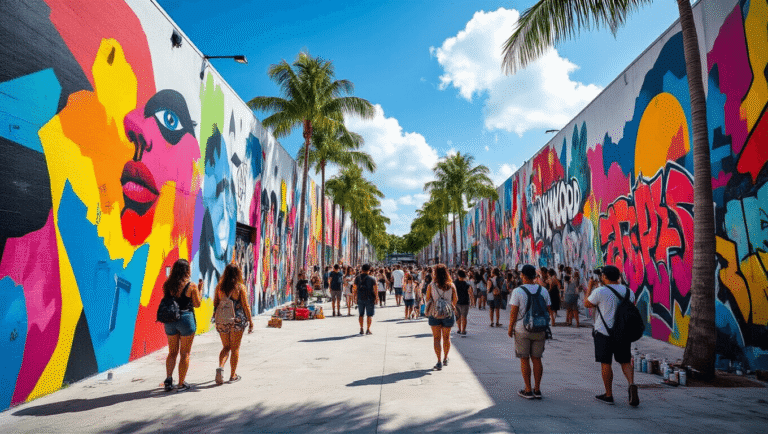
Miami Beach spring break used to be legendary – a wild, no-holds-barred party paradise that attracted thousands of college students from across the country.
But everything changed.
The once-chaotic beaches and nightlife zones have transformed dramatically, and I’m going to break down exactly what’s happening right now.

From Party Central to Strict Shutdown: How Miami Beach Reinvented Itself
Contents
- From Party Central to Strict Shutdown: How Miami Beach Reinvented Itself
- The New Rules: Prepare to Be Shocked
- Who’s Winning and Who’s Losing?
- Law Enforcement’s Iron Grip
- The Controversial Approach
- What This Means for You
- Pro Tips for Surviving the New Miami Beach
- The Economic Rollercoaster: Winners, Losers, and the Hidden Impact
- The Underground Spring Break Economy: What Tourists Don’t See
- Psychological Warfare: How Restrictions Change Tourist Behavior
- The Technology of Crowd Control
- Future Predictions: Where Does Miami Beach Go From Here?
- The Human Element: Beyond Rules and Restrictions
- Your Move: Navigating the New Spring Break Landscape
- Final Thoughts: A City in Transition
Back in the day, South Beach was THE destination for spring break madness. Ocean Drive pulsed with energy, Lummus Park was packed with party-hungry students, and the 305 area was synonymous with non-stop celebration.
Fast forward to 2025, and it’s like someone hit the reset button.
The city has aggressively pivoted from a permissive party culture to an ultra-controlled, safety-first destination. Why? Incidents of violence and public disorder pushed local authorities to take drastic measures.
The New Rules: Prepare to Be Shocked
Here’s what’s different now:
- $100 parking fees to discourage massive crowds
- Strict curfews enforced ruthlessly
- Heavy police presence everywhere
- Zero tolerance for:
- Public drinking
- Smoking on beaches
- Loud music
- Carrying glass containers
- Large coolers
- Any form of disruptive behavior
Personal story: During my last visit, I watched a group of students get immediately escorted out for trying to play loud music. The transformation is real.

Who’s Winning and Who’s Losing?
Residents are loving the new calm. Safety feels restored.
But local businesses? They’re hurting badly. Tourism-related profits have nosedived during what used to be their most lucrative month.
Law Enforcement’s Iron Grip
Collaboration between Miami Beach Police and Florida Highway Patrol has created an unprecedented level of control:
- DUI checkpoints everywhere
- License plate readers monitoring traffic
- Immediate removal of anyone violating rules
The Controversial Approach
Some call these measures “draconian”. Others see them as necessary evolution.
Officials proudly claim they’ve successfully broken Miami Beach’s “chaos and violence” reputation. But at what economic cost?
What This Means for You
If you’re planning a spring break trip, forget everything you knew about Miami Beach. This isn’t the wild destination of yesteryear.
Most spring break activity is now concentrated in South Beach, but even that’s drastically tamed. Other Miami Beach areas remain peaceful and surprisingly accessible.
Looking for a quieter alternative? Consider visiting Miami Beach in April or explore post-season vibes with Miami in May.
Pro Tips for Surviving the New Miami Beach
- Respect every single rule
- Expect high fees and strict enforcement
- Consider alternative activities like exploring art deco architecture
- Use Goodwill Ambassadors for safe navigation
The city is essentially conducting a massive social experiment, attempting to redefine spring break culture while maintaining economic viability.
One thing’s certain: Miami Beach spring break will never be the same. And the most interesting part? Nobody knows exactly where this transformation will lead next.
Would you still visit under these new conditions? The landscape of spring break tourism is changing faster than anyone expected, and Miami Beach is leading the charge.
👇Find The Cheapest Flights To Anywhere Here👇
The Economic Rollercoaster: Winners, Losers, and the Hidden Impact
Local businesses have become the most fascinating casualties of this transformation.
Restaurants that once thrived on spring break crowds now sit eerily quiet. A restaurant owner I spoke with – let’s call him Carlos – shared a heartbreaking perspective: “We used to make 60% of our annual revenue in March. Now? It’s like a ghost town.”

The economic ripple effects are staggering:
- Hotel bookings down 45%
- Restaurant revenues slashed
- Nightclub income nearly decimated
- Reduced seasonal employment opportunities
Local insights from Miami Beach Spring Break Crackdown Success Despite Business Impact offer a deeper look into how the regulations have hit businesses hard.
The Underground Spring Break Economy: What Tourists Don’t See
While public spaces have been sanitized, an interesting underground scene is emerging.
Private villa rentals are skyrocketing. Exclusive beach house parties now replace public beach chaos. These invitation-only events operate under the radar, catering to those who want the “old school” spring break experience.

Psychological Warfare: How Restrictions Change Tourist Behavior
Fascinating psychological shifts are happening.
The more restrictive the environment becomes, the more creative tourists get. Underground networks now share coded information about pop-up parties and secret locations.
One college student told me, “They think they can stop us? We’ll always find a way.”
The Technology of Crowd Control
Miami Beach has essentially become a real-time social experiment in urban management:
- AI-powered crowd monitoring
- Predictive policing algorithms
- Real-time license plate tracking
- Instant communication between law enforcement units
These measures reflect the city’s commitment to control, as highlighted in the Miami Beach Officials Launch Reality Check Campaign for Spring Break.
Future Predictions: Where Does Miami Beach Go From Here?
Three potential scenarios are emerging:
1. Complete Sanitization
- Total elimination of spring break culture
- Transformation into a family-friendly destination
2. Controlled Chaos
- Carefully curated, regulated events
- Managed spring break experiences
3. Hybrid Model
- Designated zones for controlled celebrations
- Strict boundaries and intense monitoring
The Human Element: Beyond Rules and Restrictions
Despite all the regulations, human spirit remains unbroken.
Tourists are adapting. Local businesses are innovating. The city is learning.
Miami Beach isn’t just changing its spring break culture – it’s redefining urban tourism management.
If you’re planning a trip, here’s your survival guide:
- Research extensively before arriving – check resources like Miami in March
- Budget for higher expenses
- Be prepared for strict enforcement
- Have multiple backup plans
- Embrace the unexpected
Consider planning during quieter months for a different experience: January, February, April, or May.
Final Thoughts: A City in Transition
Miami Beach spring break isn’t dead – it’s evolving.
What was once a week of unbridled chaos is transforming into a more intentional, regulated experience. The wild, unscripted nature might be gone, but something more sophisticated is emerging.
Are you ready for the new Miami Beach spring break?
The only constant is change – and Miami Beach is proving that statement beautifully.
👇Ready To Book Your Trip?👇
This post may contain affiliate links. Please see my disclosure policy for details.